
KegWorks Homepage

Bar Rails
Complement your bar area and provide comfort for your guests with attractive bar foot rail.
America's Leader in Bar Rails
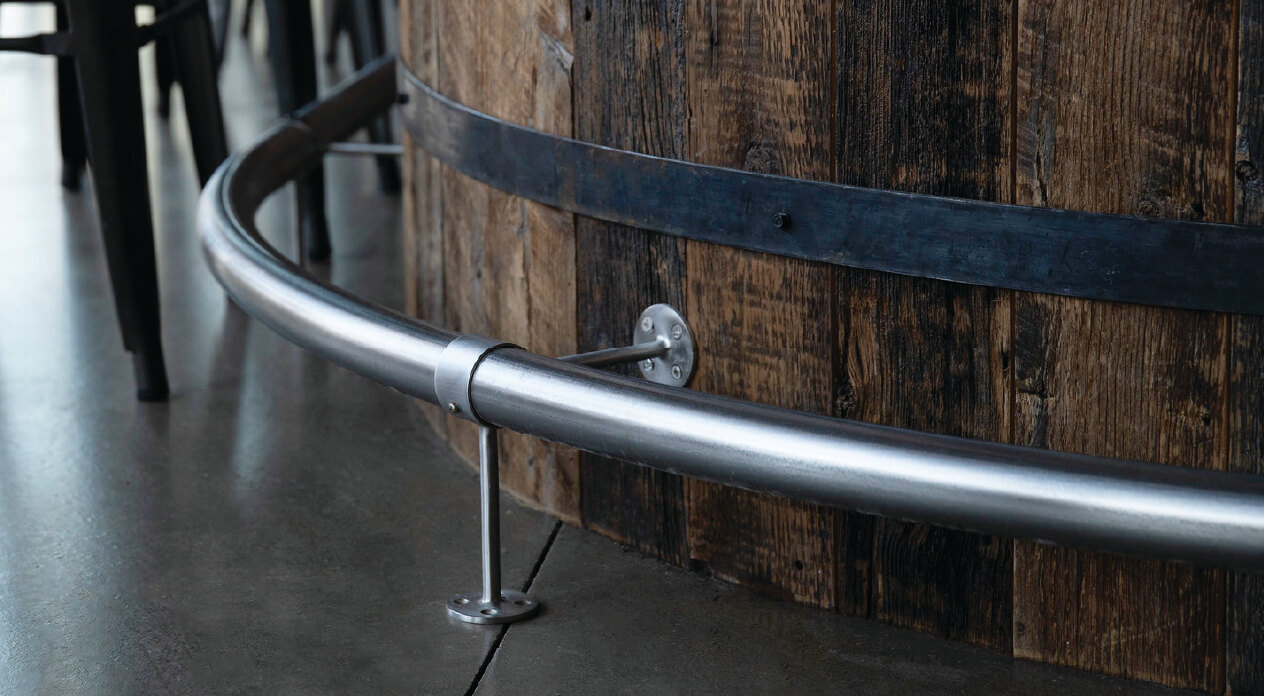
Commercial Bar RailBar Rail Solutions for Complex Projects
Are you a contractor, millwork, architect, or interior designer looking for custom solutions, special pricing, or specs? Our Bar Rail experts are available for a FREE consulation.
Learn MoreWhat You Need to Know About Bar Foot Rails and Arm Rest
Transform a dull, boring bar area into a luxurious place to entertain guests with just a few added features. KegWorks bar foot rails provide comfort when sitting at the bar and are the perfect solution to dress up your bar area. Bar rails add a rich element to the bar that will spice up an indoor space or outdoor patio area. Just a few accessories can create a classy modern feel.
A bar foot rail system includes tubing, brackets, end caps and sometimes elbows, which connect together easily. Our bar rail instructions, complete with how-to video, will guide you through the simple installation process. These stylish and functional accents will complement your bar area and provide comfort to guests for years to come.